9 lives
Reply


Zack de la Rocha’s Rage Against the Machine bandmates have been busy touring the world with Chuck D and B-Real. As it turns out, the Rage frontman has been working on music of his own. This morning, de la Rocha has made his inaugural bid as a solo artist with a new single called “Digging For Windows.” The track is produced by El-P, who collaborated with de la Rocha on the Run the Jewels 2 highlight “Close Your Eyes (And Count to Fuck).” It’s the first offering from de la Rocha’s forthcoming solo album, which El-P confirmed will arrive next year. El also said that the song was “made this year” and that “there is more where that came from.”
Rumors and reports about a Zack de la Rocha solo record have swirled for almost two decades. Questlove, DJ Shadow, and Trent Reznor have all talked about sessions with the Rage frontman. In 2003, de la Rocha’s DJ Shadow collaboration “March of Death” was released and an album was promised to come out that year. Obviously, that didn’t happen, and multiple interviews with de la Rocha and his collaborators pointed to the album’s sessions being shelved entirely. Reznor said in 2011:
We did some stuff that I thought was pretty cool, and it was frustrating because I also knew it would never see the light of day. It would get to the point where—Zack, I’m saying this with love—but it was the riddle of “I can’t do this, it sounds too much like Rage.” “OK, let’s do that.” “I can’t do that, it doesn’t sound enough like what you’d expect me to do.” There’s a few good tracks laying around, but it’s up to him. I doubt that’s going to see the light of day.
Then, earlier this year, El-P posted a photo of de la Rocha in the studio with Run the Jewels and Nas. In an interview about Prophets, de la Rocha’s Rage bandmate Brad Wilk revealed that Zack was “making a record right now.”
BABYGHOST 4 from Van Alpert on Vimeo.


ece ayhan
enis batur’a mektuplar
14 mart 1978
Picture this
I’m a bag of dicks
Put me to your lips
I am sick
I will punch a baby bear in his shit
Give me lip
I’ma send you to the yard, get a stick
Make a switch
I can end a conversation real quick
[Killer Mike]
I am crack
I ain’t lyin’, kick a lion in his crack
I’m the shit, I will fall off in your crib, take a shit
Pinch your momma on the booty
Kick your dog, fuck your bitch
Fat boy dressed up like he’s Santa
And took pictures with your kids
[El-P]
We the best
We will cut a frowny face in your chest, little wench
I’m unmentionably fresh, I’m a mensch, get correct
I will walk into a court while erect, screaming “Yes!
I am guilty motherfuckers, I am death”
Hey, you wanna hear a good joke?
[Refrain]
Nobody speak, nobody get choked
[El-P]
Get running
Start pumping your bunions, I’m coming
I’m the dumbest, who flamethrow your function to Funyuns
Flame your crew quicker than Trump fucks his youngest
Now face the flame, fuckers, your fame and fate’s done with
[Killer Mike]
I rob Charlie Brown, Peppermint Patty, Linus and Lucy
Put coke in the doobie, roll woolies to smoke with Snoopy
I still remain that dick grabbin’ slacker that spit a loogie
Cause the toter of the toolie’ll murder you friggin’ Moolies
Fuck outta here, yeah
[Refrain]
Nobody speak, nobody get choked, hey
Nobody speak, nobody get choked, hey
Nobody speak
Nobody speak
[El-P]
Only facts I will shoot a
Baby duck if it quacks, with a Ruger
Top billin’, come cops some villainous shots is blocked, shipped out, and bought, and y’all feeling it
El-P killin’ it, Killer Mike killin’ shit
[Killer Mike]
What more can I say? We top billin’ it
Valiant without villainy
Viciously foul victory
Burn towns and villages
Burning looting and pillaging
[El-P]
Murderers try to hurt us we curse them and all their children
I just want the bread and bologna bundles to tuck away
I don’t work for free, I am barely giving a fuck away
[Killer Mike]
So tell beggin’ Johnny and Mommy to get the fuck away
Heyyo here’s a gun, son, now run, get it the gutterway
Live to shoot another day
[Refrain]
Nobody speak, nobody get choked, hey
Nobody speak, nobody get choked, hey
Nobody speak
Nobody speak
Nobody speak, nobody get choked

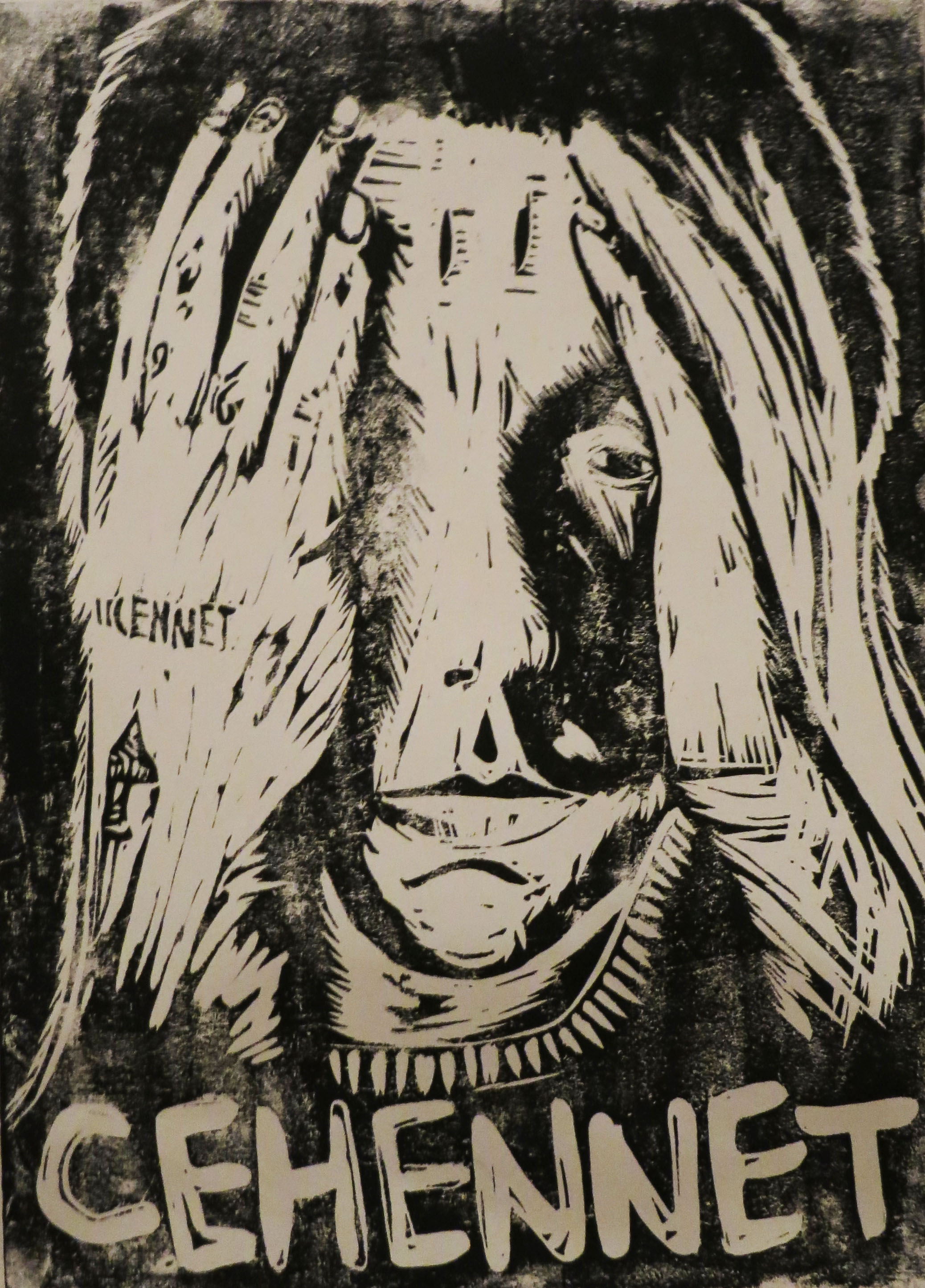
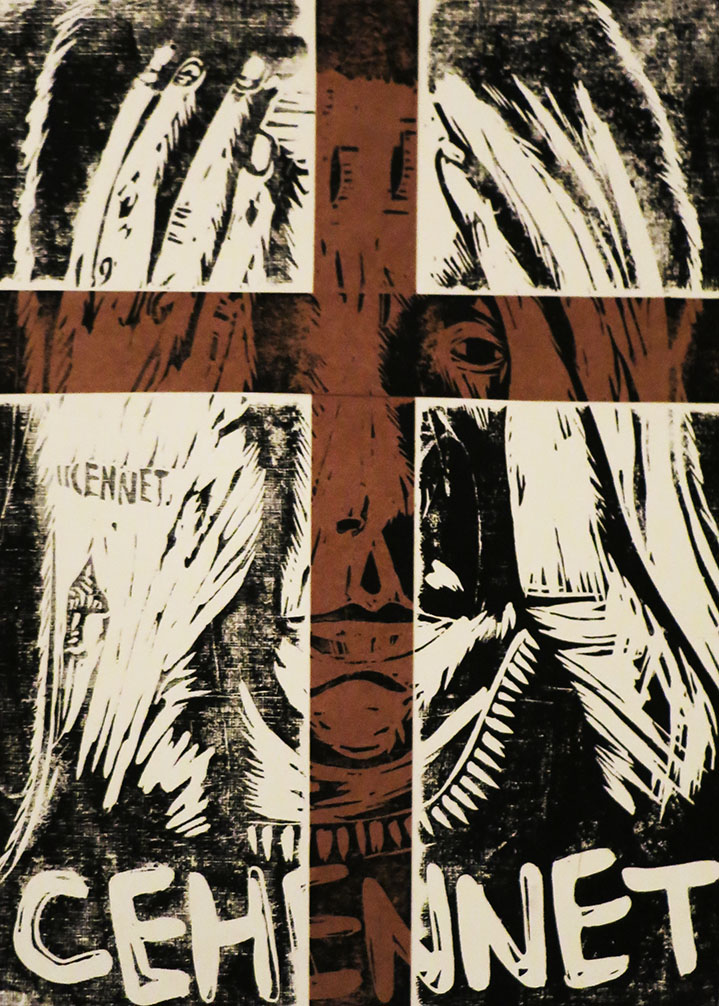
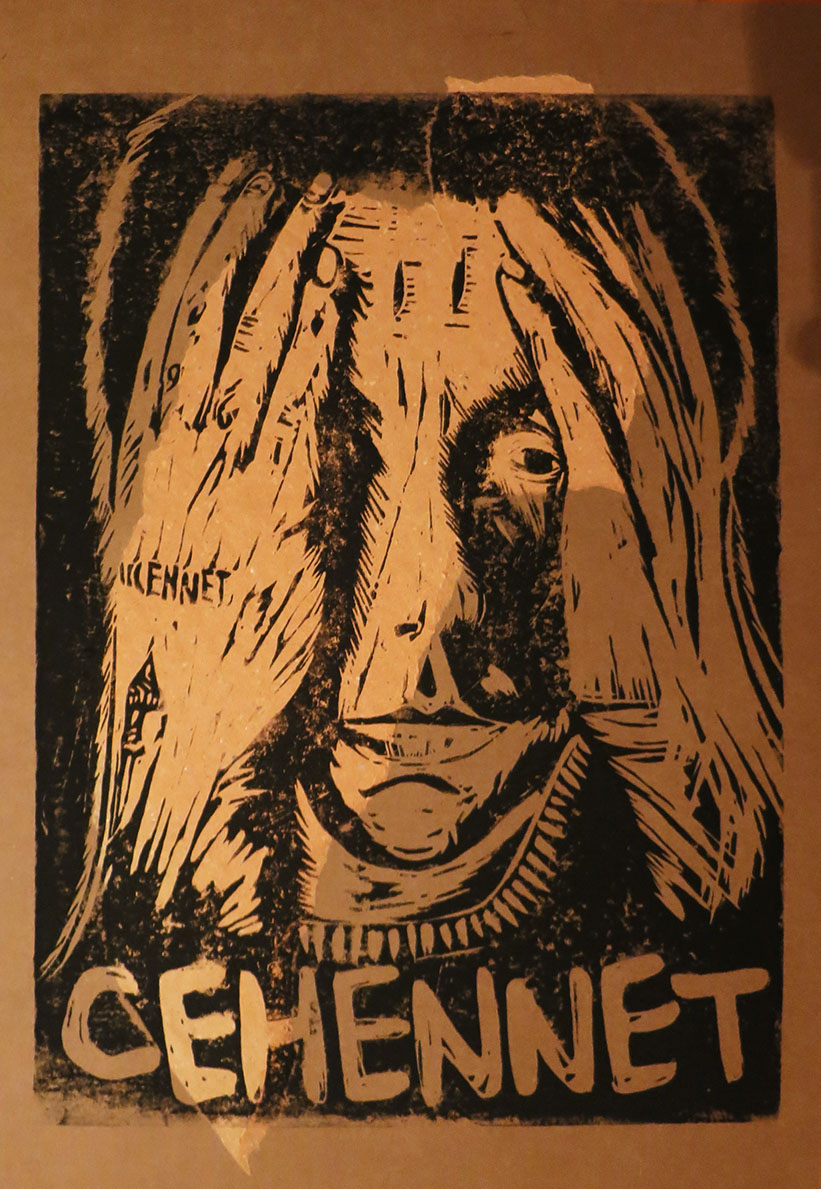
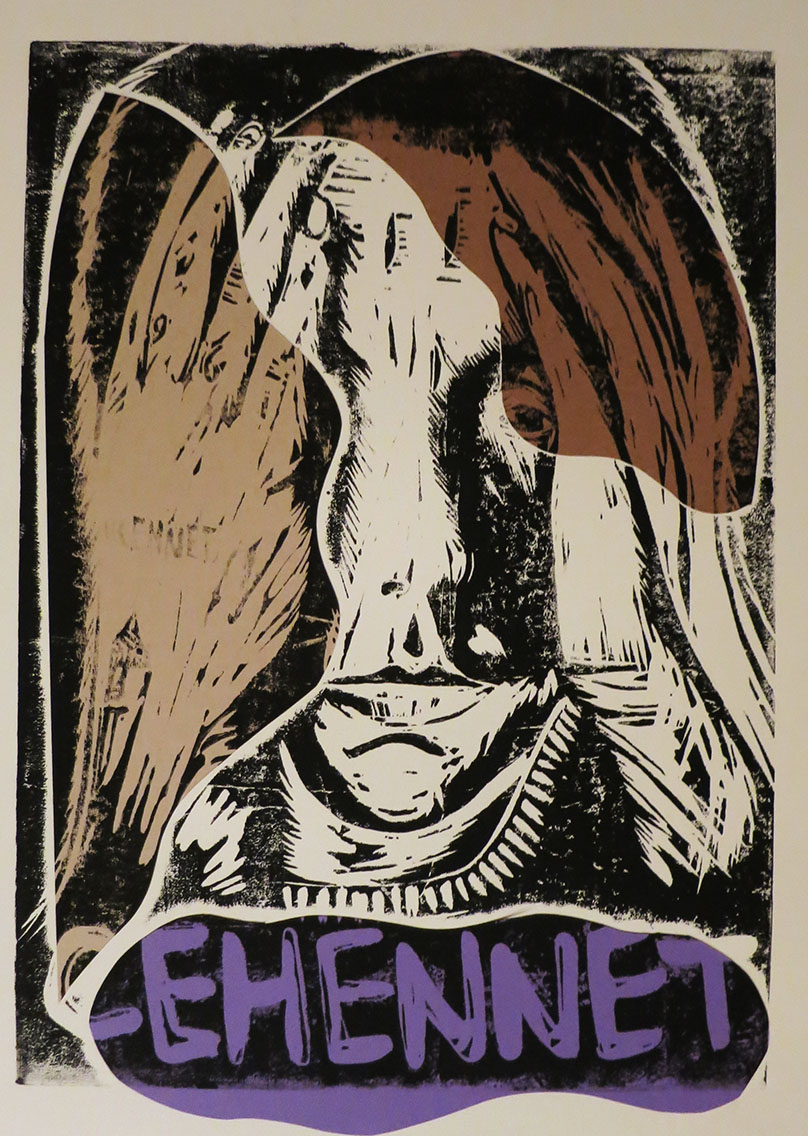
How to Smoke a Joint from Nima on Vimeo.
OSMAN Marşı:
kalemim keskin yazacaktım…
içimdekini bir bir sayacaktım…
kafamdaki tabu çelik bir duvar,
…bunu sana iyice anlatacaktım…
kumbaracı yokuşu çilekeş çukur
belasını arıyan orda bulur…
126 numara daire 3, kanayan yara kapaması güç..
sinan, kenan, bahar, ari ve ege,
yeraltında yaşamak acı bir töre…
töre biçimdir değişir,
zülfikar, flore, epe…
tükenen sensin aldanma,
zaman geçip gidiyor sallanma…
bazen ayık, bazen kayık,
günler geçip gidiyor bayık bayık…
aşk bir salgıdır, öte geçemez…
bilim çıpadır kimse çekmez…
beynim overload bir hard disk
kandemir konduk gelse silemez…
osman… yılandan kıvrak,
dilleri ve dinleri,
newyorku ve illeti başından attıda geldi…
osman…yaratıcı oğlan,
aklı bir teknedir onun fırtınada batan…
yüreği bir kap her gün saki dolaşan…
sen ve etrafındaki klan,
zafiyette sefahati buldunuz,
keyfiyette doğayı, yoksullukta parayı,
fildişi sarayı yıkan gelsin.
takıl ve takip et çünkü…
ondan sana gelecek iyi niyet
ve akıl ve ilim ve zehir ve ateş
ve darbe derinden ve keleş kurşun gibi sözler…
alnını yakar, yakar da geçer…
2012, Kasım ayının son haftası. Küçüklüğümden beri hayalini kurduğum Güney Amerika gezisine çıkıyorum sonunda; Amsterdam’dan Buenos Aires’e uçacağım, oradan Uruguay’ın başkenti Montevideo’ya feribotla geçeceğim, Montevideo’dan uzun bi otobüs yolculuğu ile de Brezilya’nın en güneyindeki şehirlerden biri olan Porto Alegre’ye düşecek yolum. Sonrası Sao Paulo ve Rio…
Buenos Aires’te anlatılması güç güzellikte bi beş gün geçirdikten sonra Montevideo feribotunun kalktığı iskeleye geldiğimde inanılmaz heyecanlanıyorum. Küçüklüğünde atlaslara bakarak uyumuş, dünyanın bütün ülkelerinin başkentlerini ezberlemeye hırslanmış bi kocakafayken nedense en çok Montevideo’ya güldüğümü ve onu merak ettiğimi hatırlıyorum. İsmi nedense çok komik gelirdi bana; şehirde binlerce video olduğunu düşünürdüm en salak halimle. Bütün bunlar aklımda, biraz kitap okuya okuya, biraz uyumaya çalışarak varıyorum Montevideo’ya. Şehrin işlek caddelerinden birinde bi otelde rezervasyonumu aylar önce yaptırmışım, otele doğru yürümeye başlıyorum valizimle. Hava fazlasıyla sıcak, kaldırımlar yamuk yumuk, şehir yokuşlu mu yokuşlu…
Otelin önünde geldiğimde “du içeri girmeden bi sigara içeyim” deyip çıkarıyorum çantamdan sigarayı, caddeye baka baka tüttürüyorum. Keyfim yerinde, içim neşe dolu, gözlerim fıldır fıldır dönüyor her ayrıntıyı yakalamak için. Binalara bak, ağaçlara bak, insanlara bak, caddeden iki dakikada bir geçen oldukça eski ve gürültülü otobüslere bak. Sigara bitiyor ve ben tam valizi elime alıp otele girecekken minicik yaşlı bi teyze geliyor dibime. İspanyolca bi şeyler soruyor bana; gülümseyerek, yavaşça, İspanyolca bilmediğimi söylüyorum İngilizce. Gülümsemeye devam edip meraklı meraklı bakıyor bana ve bi kaç saniye sonra devam ediyor yoluna. Ben valizi alıp –yeniden- otele girmeye hazırlanırken geri dönmeye karar veriyor, yanıma geliyor ve ağzından tek kelime çıkıyor soru niyetine:
-Americano??
Onunla İngilizce konuştuğum için ilk aklına gelen Amerikalı olduğum oluyor sanırım, sakince yüzüne bakıp, hiç İspanyolcam ile “no no…Turco” diyorum.
Bana daha da yakınlaşıyor ve kırık bir aksanla “e sen Türkçe konuşuyorsun o zaman” diyor. Ben şaşkın, kalakalıyorum karşısında. “Konuşuyorum tabi teyzecim” diyorum ve bunu dedikten sonra başlıyor bana sorular sormaya; neden Montevideo’dayım, Buenos Aires’i beğenmiş miyim, kaç yaşındayım, adım ne… Ablası Buenos Aires’te yaşıyormuş onu anlatıyor, oğlundan ve torunlarından bahsediyor. Hemen sonrasında, hayatımda hiç unutmayacağım o keskin an geliyor:
“Yavrum ben Ermeniyim.” diyor bana. Sesini alçaltarak. Seneler önce ailesinin Lübnan’dan göç ettiğini, Montevideo’da doğup büyüdüğünü ama evde hep Türkçe konuştuklarını, ailesinin anlattıklarını dinlerken ne kadar ürktüğünü usul usul anlatıyor. Ben gözlerim dolu dolu dinler gibi yapıyorum. Aslında dinliyorum ama kafam, yüreğimi ve içimi ezip geçen o ana saplanmış; 80 yaşlarında, Montevideo’da doğmuş büyümüş bi kadının, torunu yaşındaki birinin karşısında “yavrum ben Ermeniyim.” derken sesini alçalttığı o ana.
Hani iste oralı olduğum, oradan geldiğim için, ayni dili aramızdaki binlerce kilometreye rağmen konuşsak bile sesini alçaltıyor. Onun sesi alçaldıkça benim yüreğim daha çok acıyor.
Kısa bi süre susuyoruz karşılıklı, benim ağzımdan tek kelime çık(a)mıyor, sadece derin derin bakıyorum ona. İçim ezilmiş, gözüm dolu dolu bakıyorum bu garip tesadüf sonucu karşıma çıkan teyzeme. O da bana bakıyor ve sonrasında, bi anda konuyu değiştiriyor ustalıkla. Brezilya’da ne yapacağımı, nerelere gideceğimi soruyor, otelim hakkında yorum yapıyor; “eskidir ama temiz bi oteldir.” diyor. Buenos Aires’te yasayan ablası için alışverişe çıkmış, ona bir şeyler alacakmış, ertesi gün oraya gidecekmiş. “Yarin Buenos Aires’e gitmeseydim seni yemeğe alırdım, benim evim buraya çok yakın” diyor tatlı tatlı. Nasıl teşekkür edeceğimi bilmez bi halde, hiç gerek olmadığını, şu kısacık konuşmamızın bile beni ne kadar mutlu ettiğini anlatmaya çalışıyorum elimden geldiğince.
Gözümün içine ışıl ışıl bakıp “güzel çocuksun sen güzel!” deyip yanaklarımdan öpüp hafifçe sarılıyor bana. “Hadi iyi tatiller” deyip yavaş yavaş, pıtpıt adımlarla yürümeye başlıyor. O, gözden kaybolana kadar bakıyorum ben de ardından. Bi süre sonra dönüp el sallıyor, ben de el sallıyorum ona.
Hüzün ve suçluluk ve özürle gülümsemeye çalışıyorum.
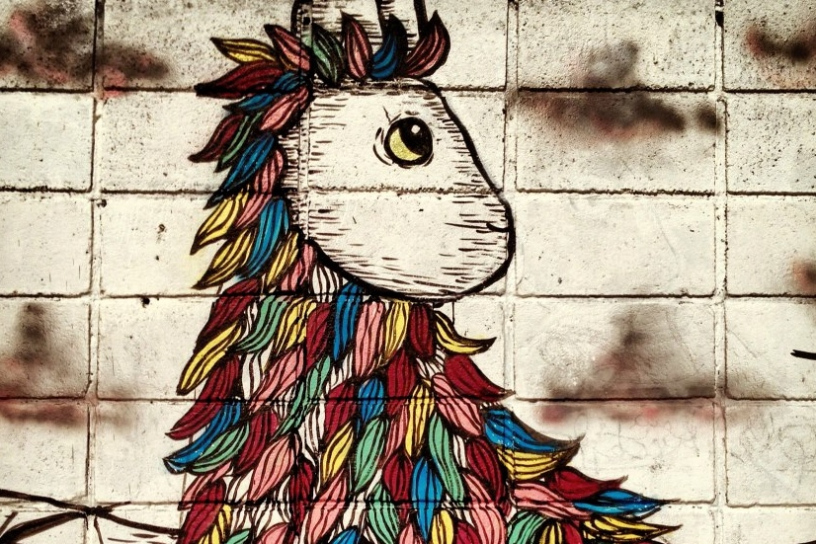
Not: Yazı fotoğrafı, Montevideo’da görür görmez aşık olduğum bir duvar resmi. Konuyla ilgisi olmasa da bana hep o teyzeyi ve şehirde geçirdiğim o iki güzel günü hatırlatıyor.
source: https://themahmut.com/2016/07/06/yavrum-ben-ermeniyim/
Date: July 6, 2016Author: ozanako
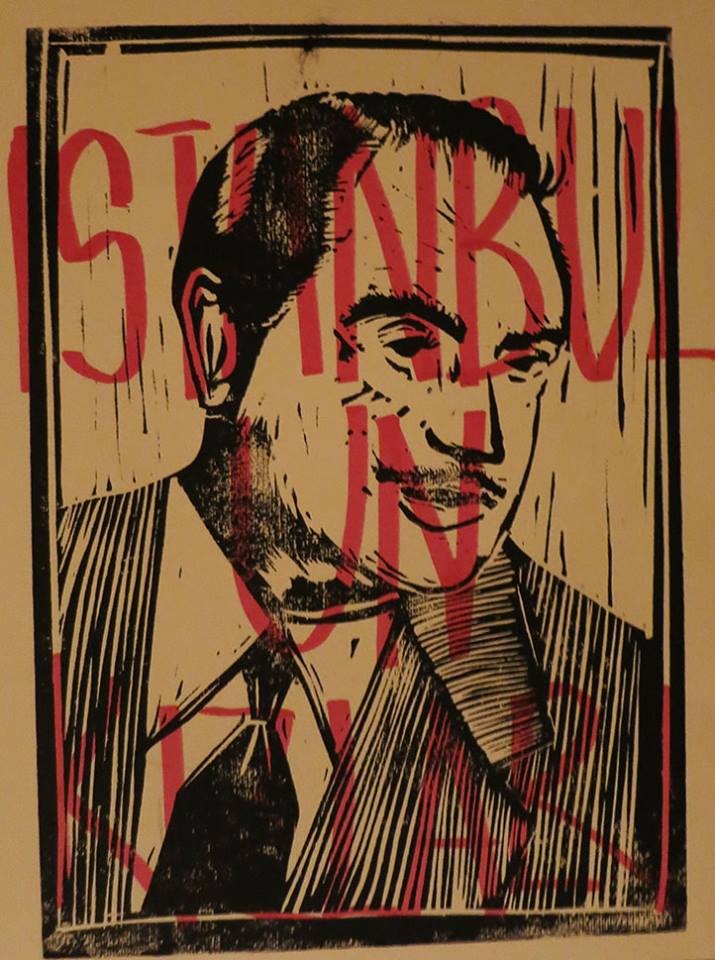
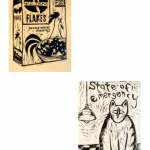
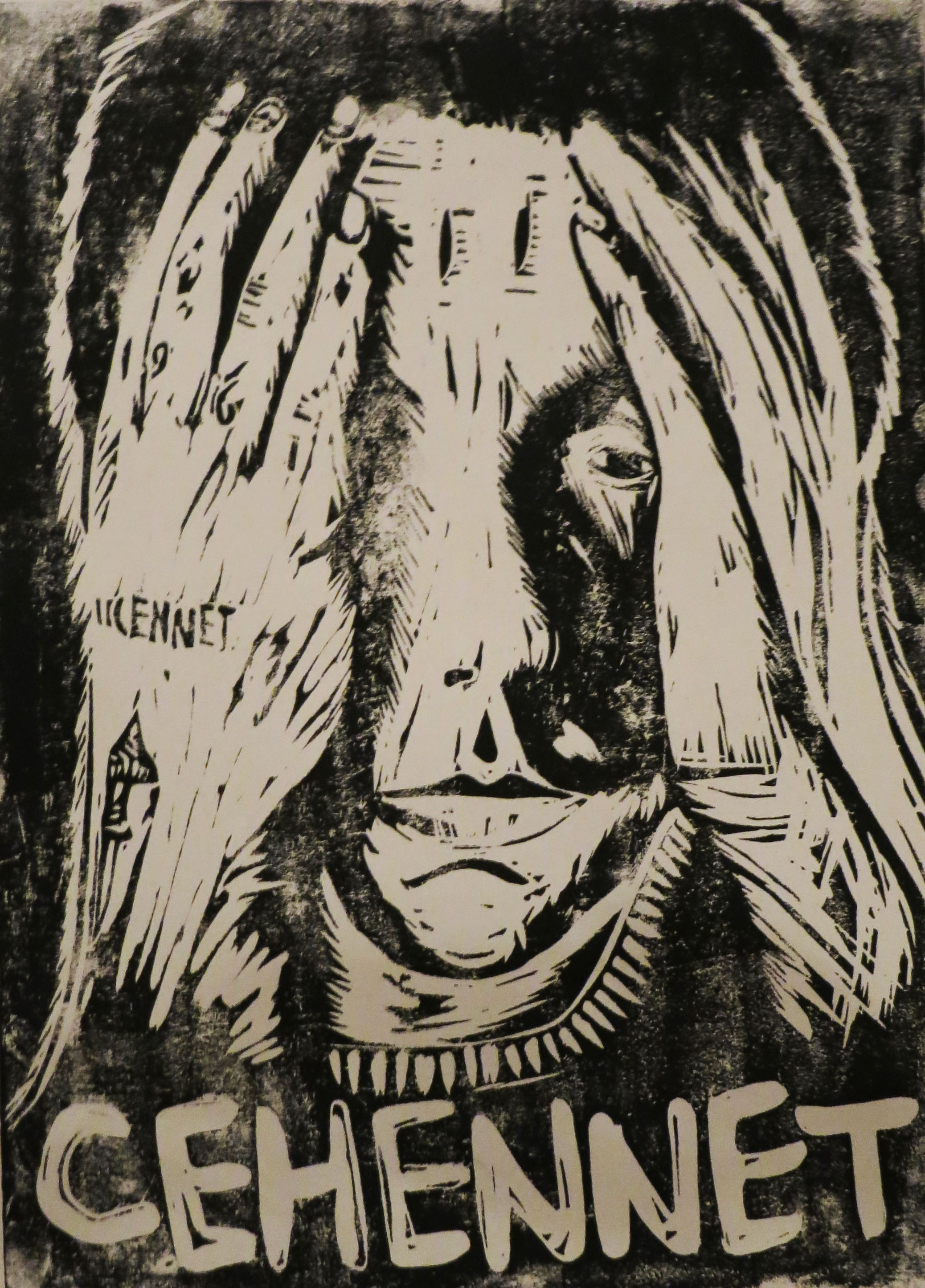
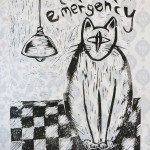
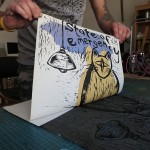
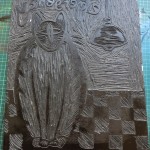
Dario Moreno -Istanbul kızları – eskiz – linocut -10/08/2016
https://www.youtube.com/watch?v=M0aY9B9V77k
Darío Moreno was born to a large Jewish family. He was orphaned in early childhood when his father, who worked in a train station in Aydın, was shot dead under tragic circumstances. He was placed in the Sephardic orphanage of İzmir (Nido De Guerfanos[1]) by his mother and remained there until he was four.
After a primary education in the Jewish educational establishments of İzmir, he had many odd jobs during his early youth. He put great effort into continuing his education while simultaneously working to make a living. He started working as an errand boy in the law firm of the city’s prominent lawyers, and he was eventually trained to become a clerk in the office. In the evenings, he would study French in İzmir’s Central Library. With a guitar that had fallen into his hands by chance, he also learned to play the guitar, mainly on his own with occasional tutoring from acquaintances.
He started singing at Bar Mitzva celebrations as a second job. In his early twenties, he had already become a well-known singer in İzmir, and particularly among the Jewish community. During his military service in the Turkish Army, he was employed as a singer in officers’ quarters in various garrisons and became more focused on music. His first truly professional musical performance started in his hometown right after his discharge, and was arranged through connections established while in the army. When he started making money with his music, he moved to the better-off Jewish quarter of Karataş to a house in a street leading to the historical building of Asansör, one of the city’s landmarks (and which literally means the “Elevator”, people taking an actual elevator to go to the higher part of the quarter, this part being separated by the coastal strait with a steep slope). Nowadays this street is named Dario Moreno Sokağı (Dario Moreno Street) in his legacy.

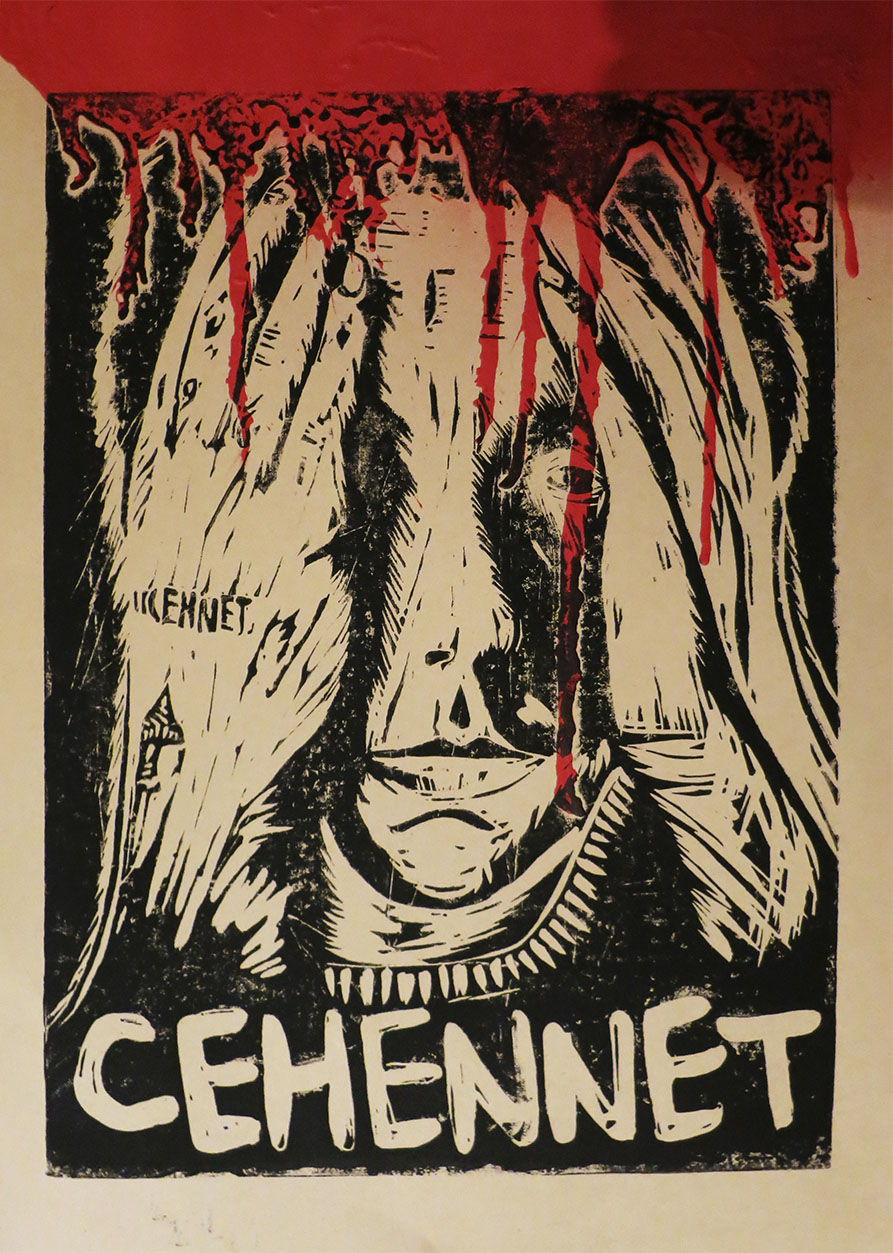
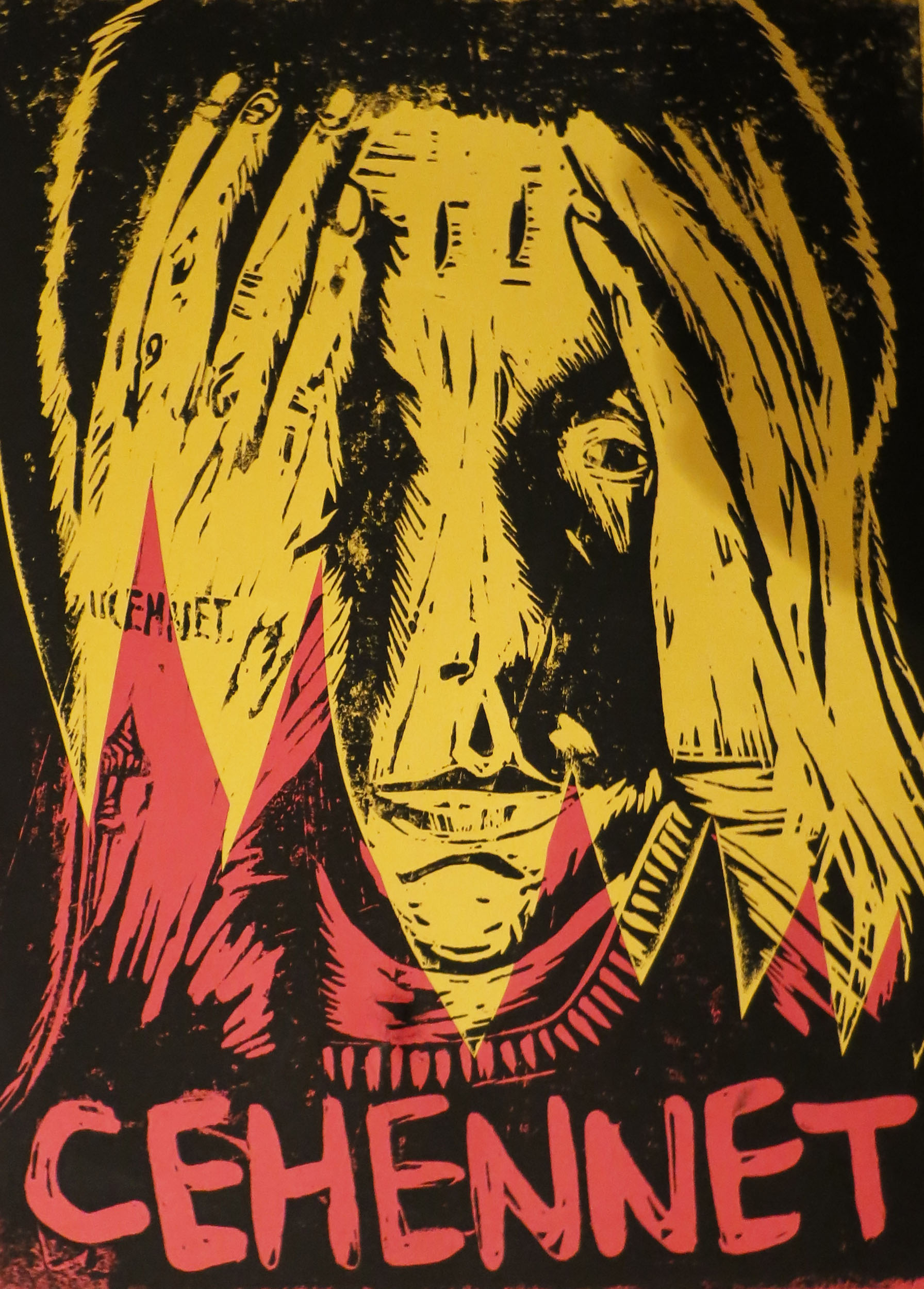
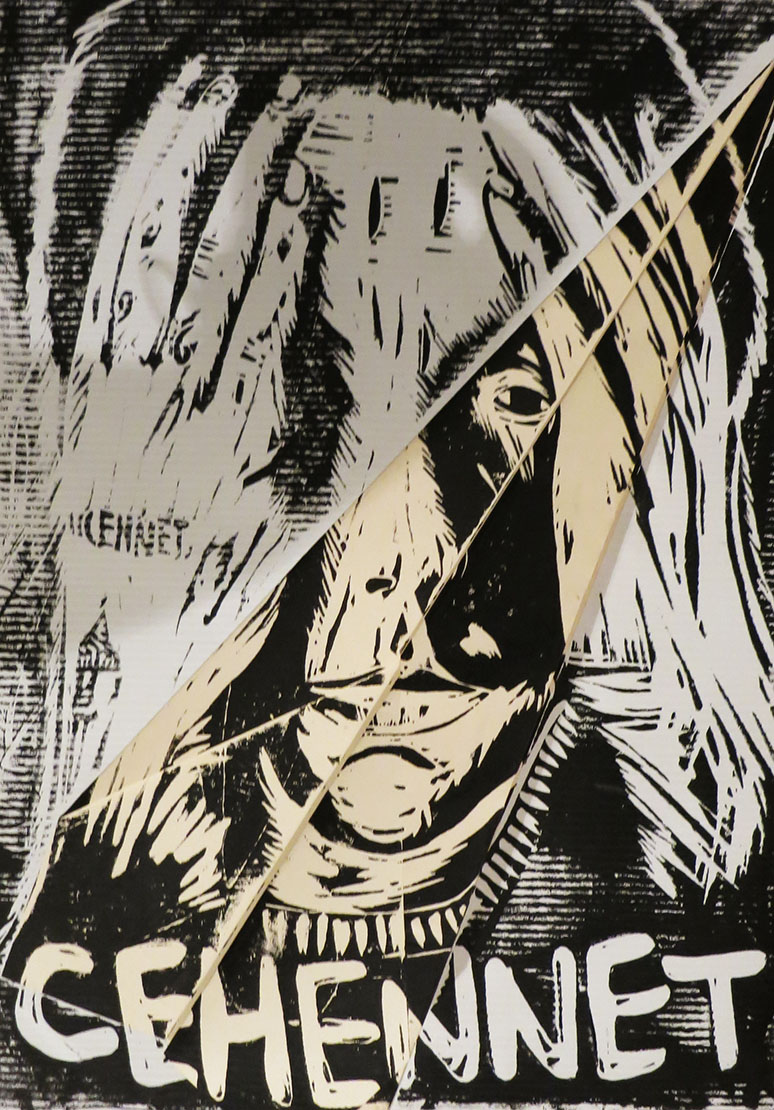
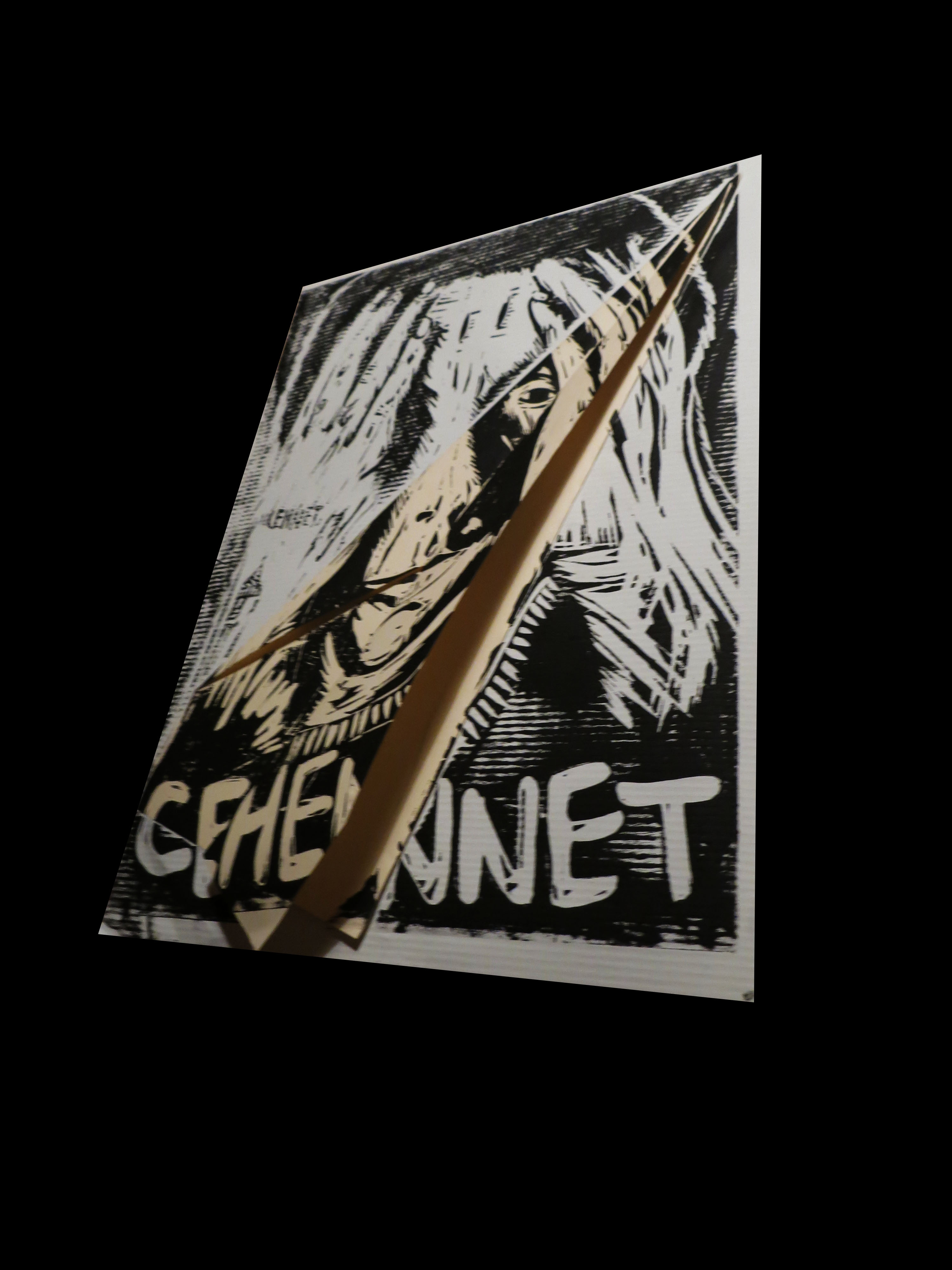
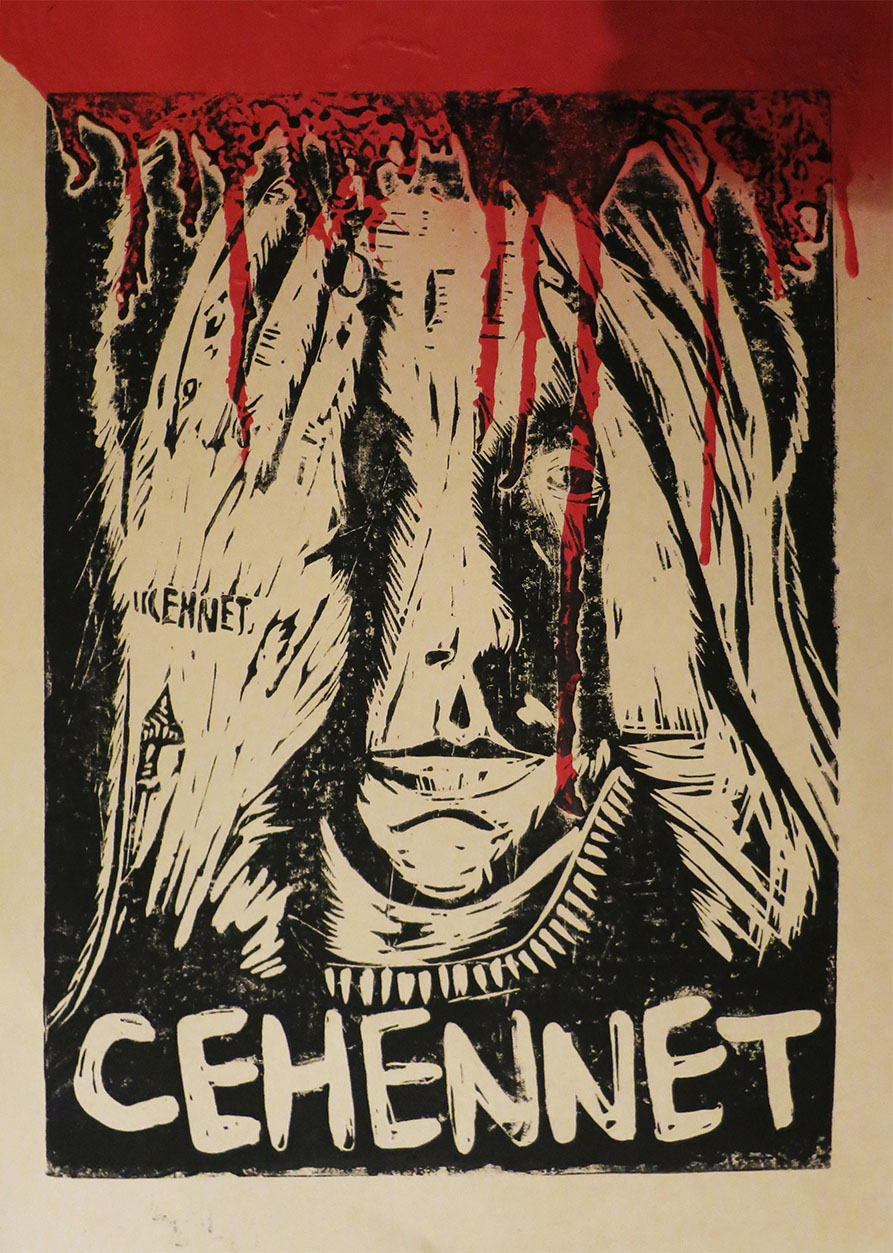
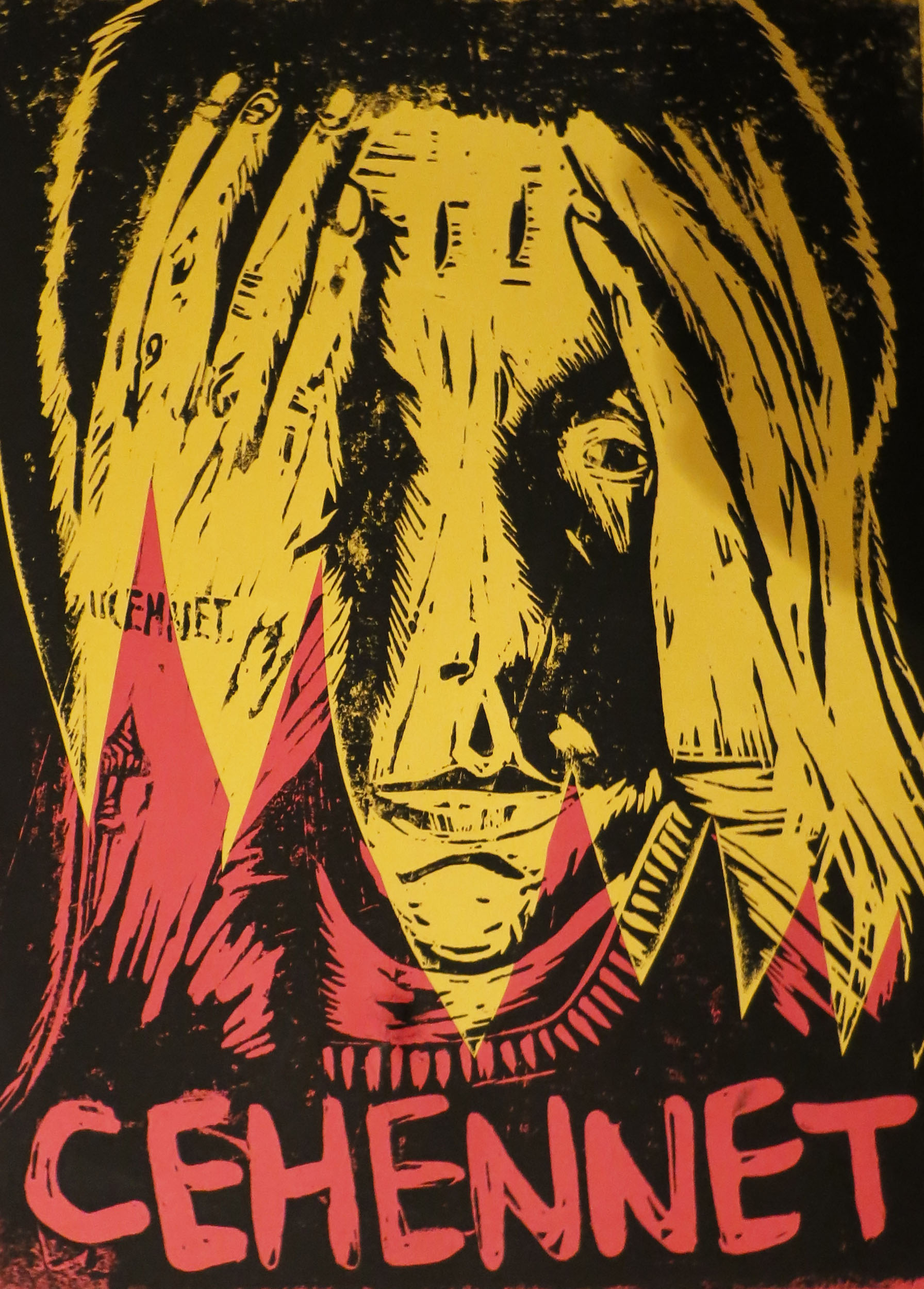
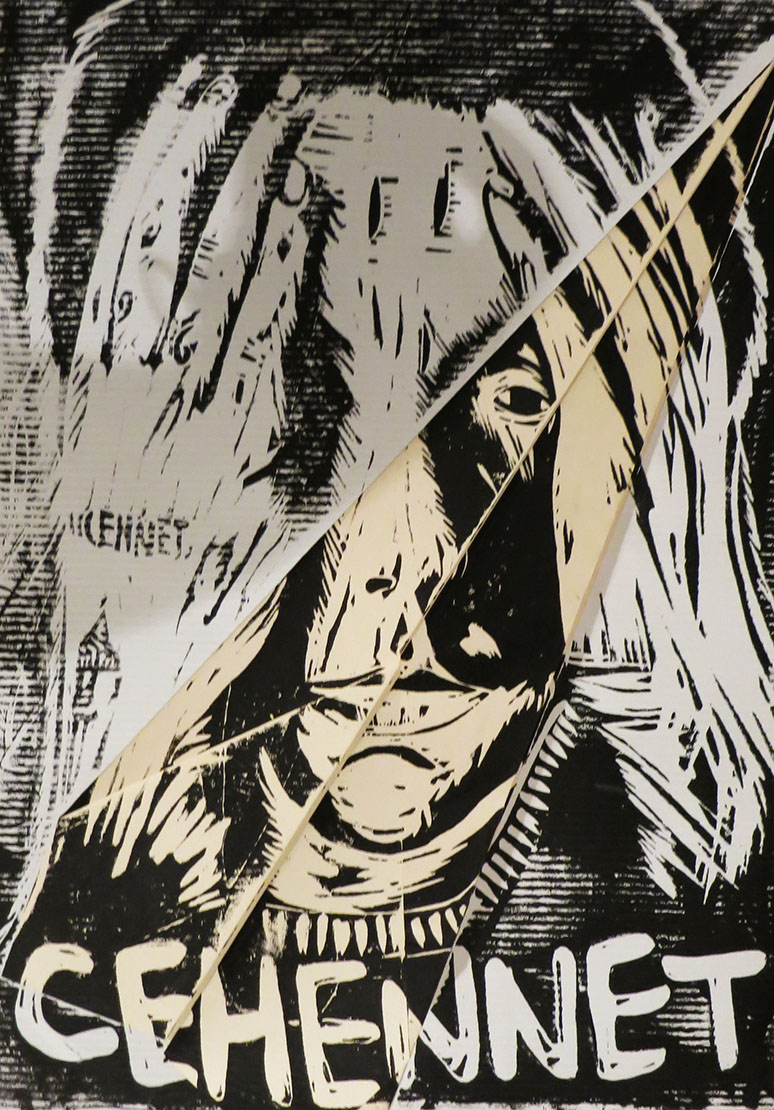
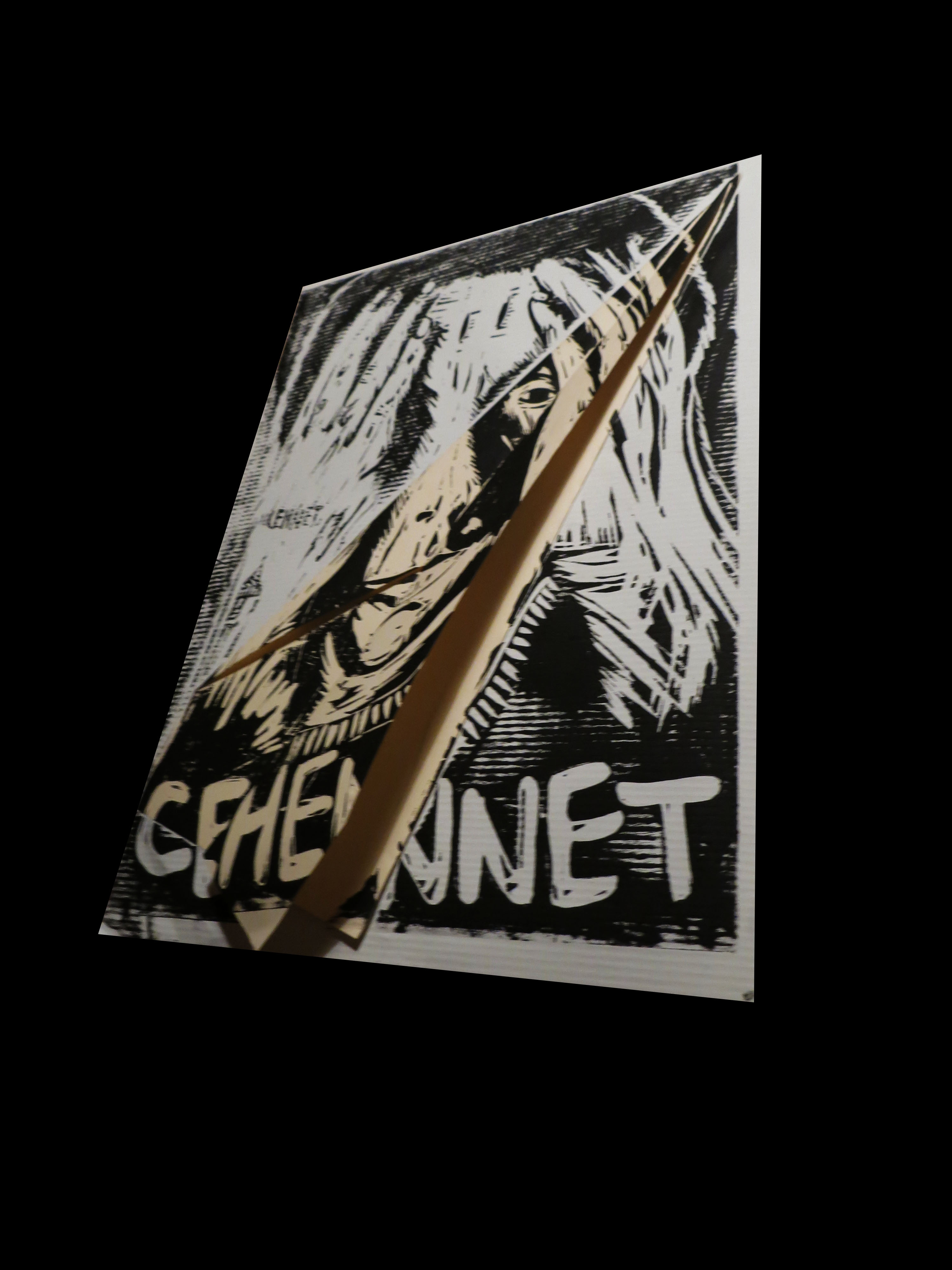
http://mixerarts.com/sanatci/ari-alpert-2
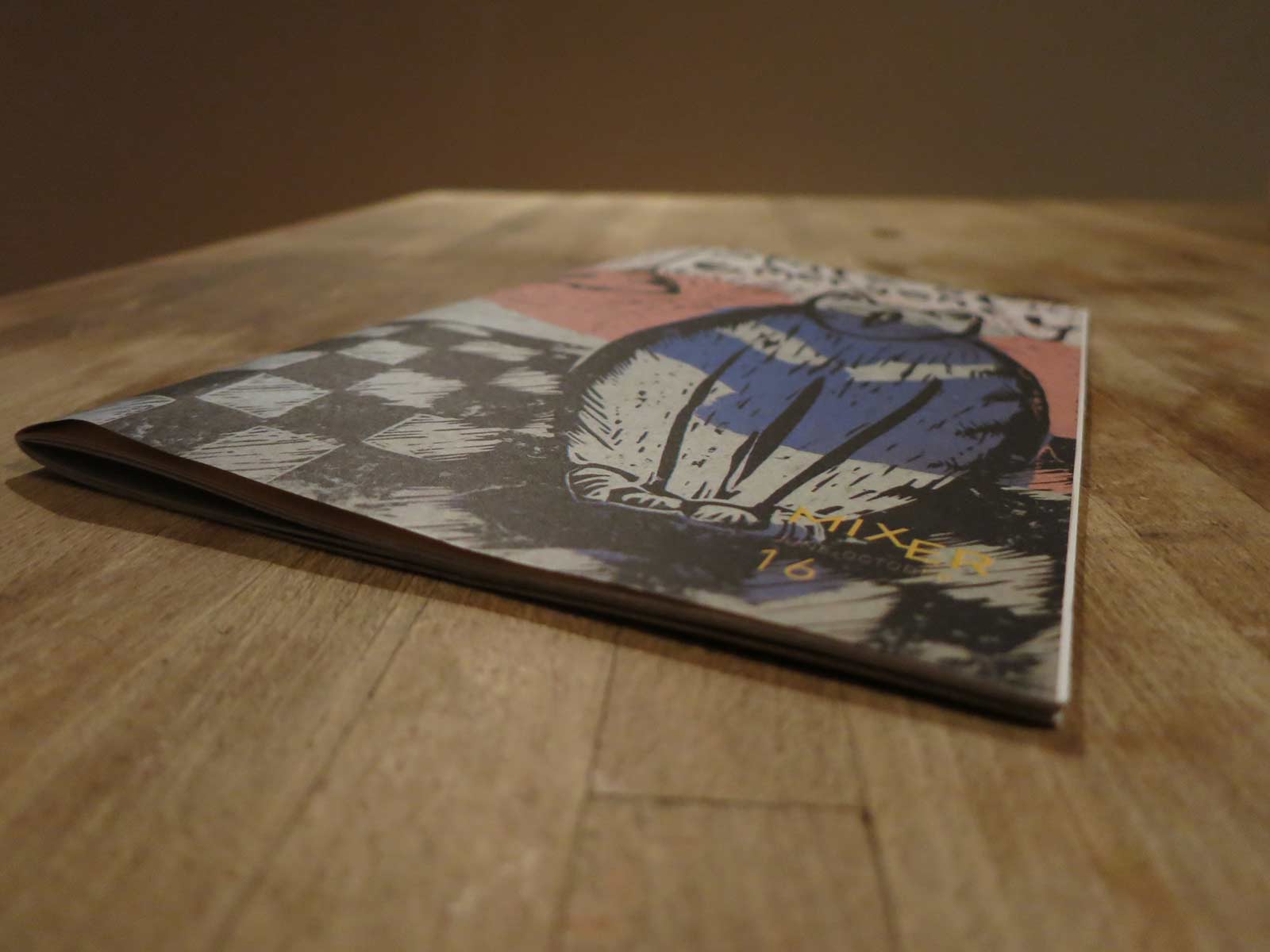
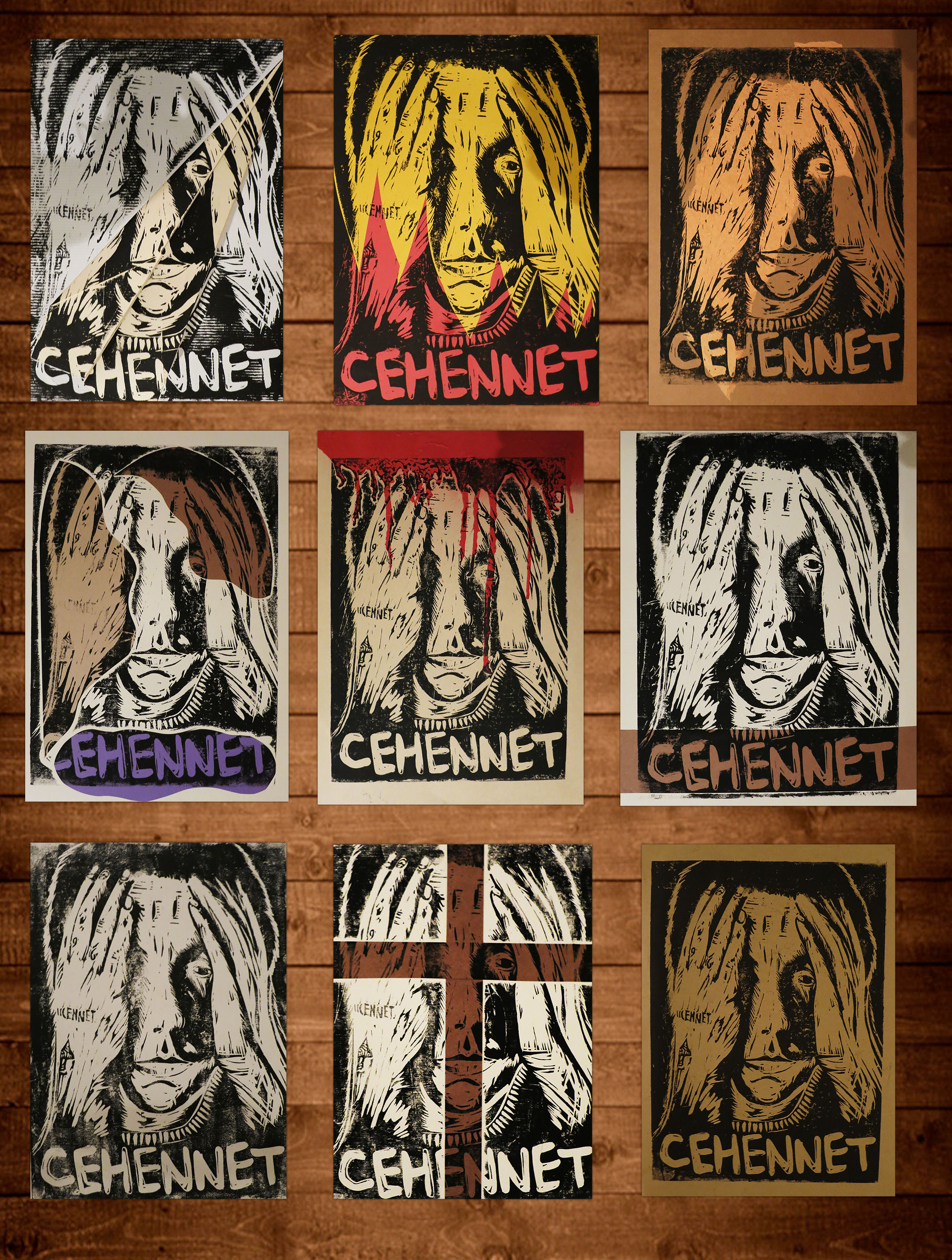
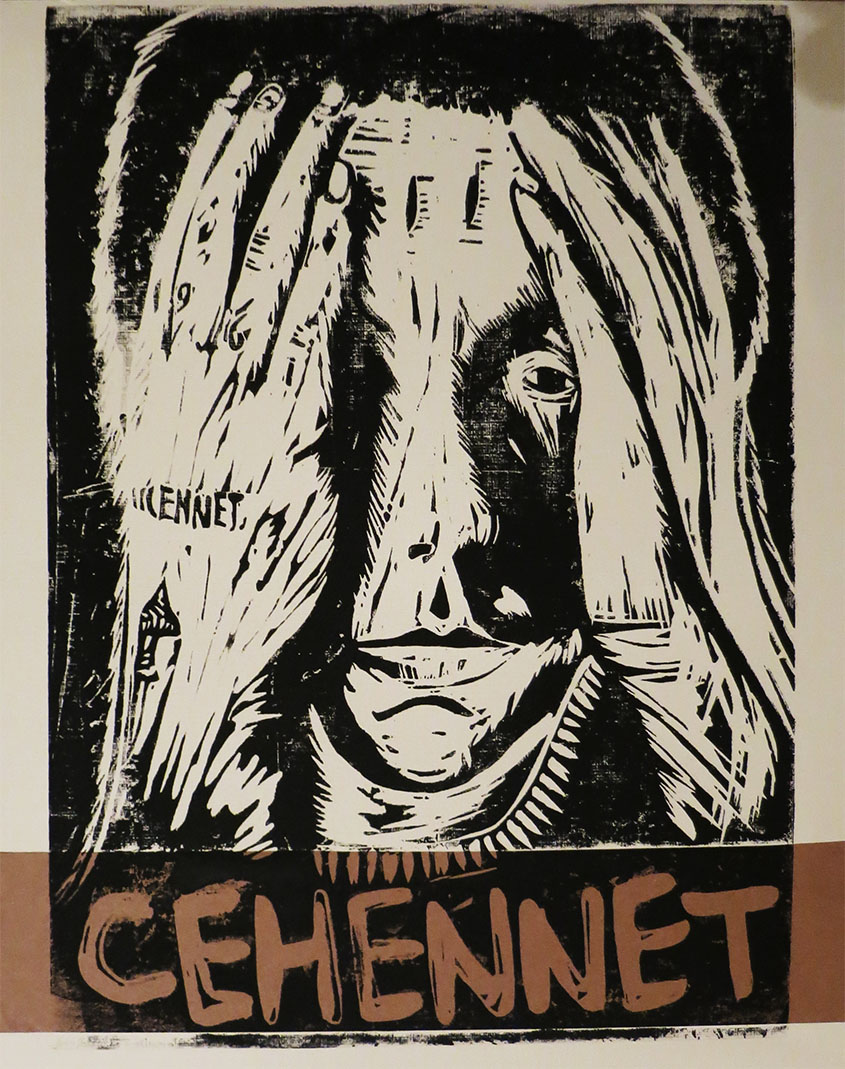
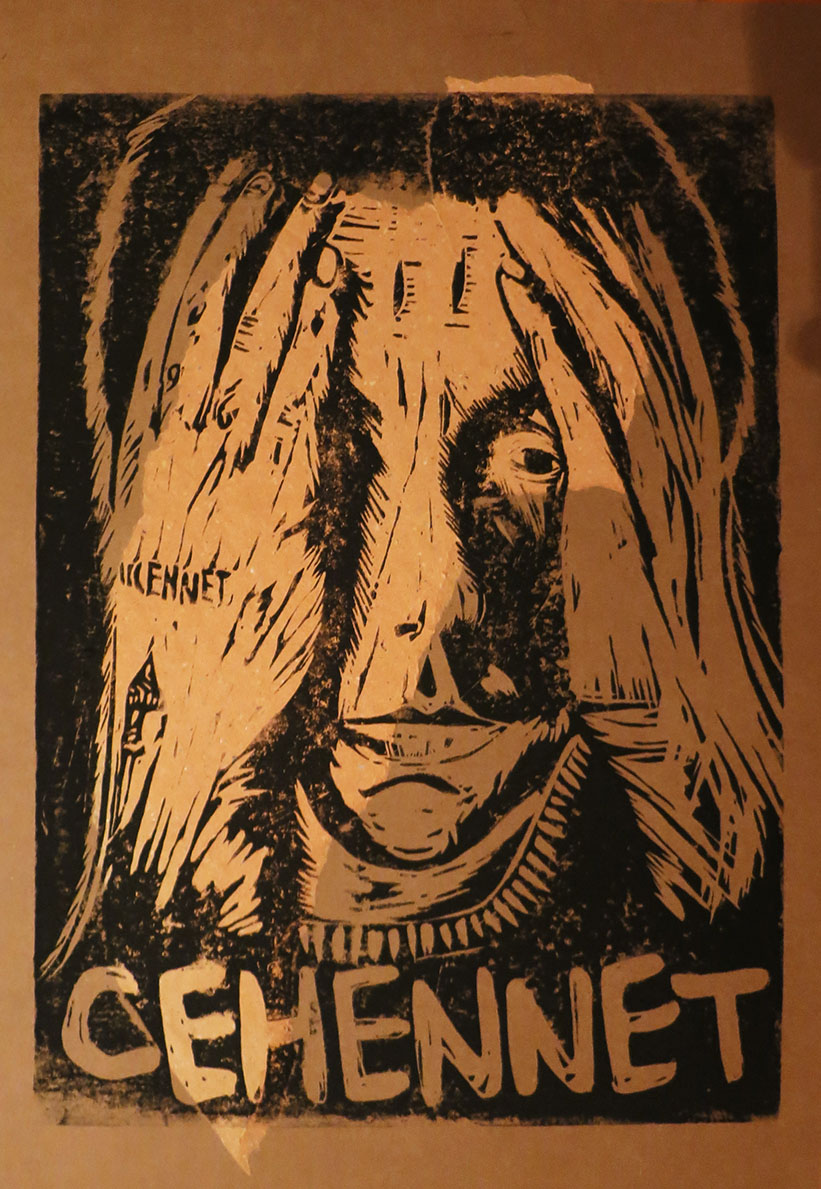
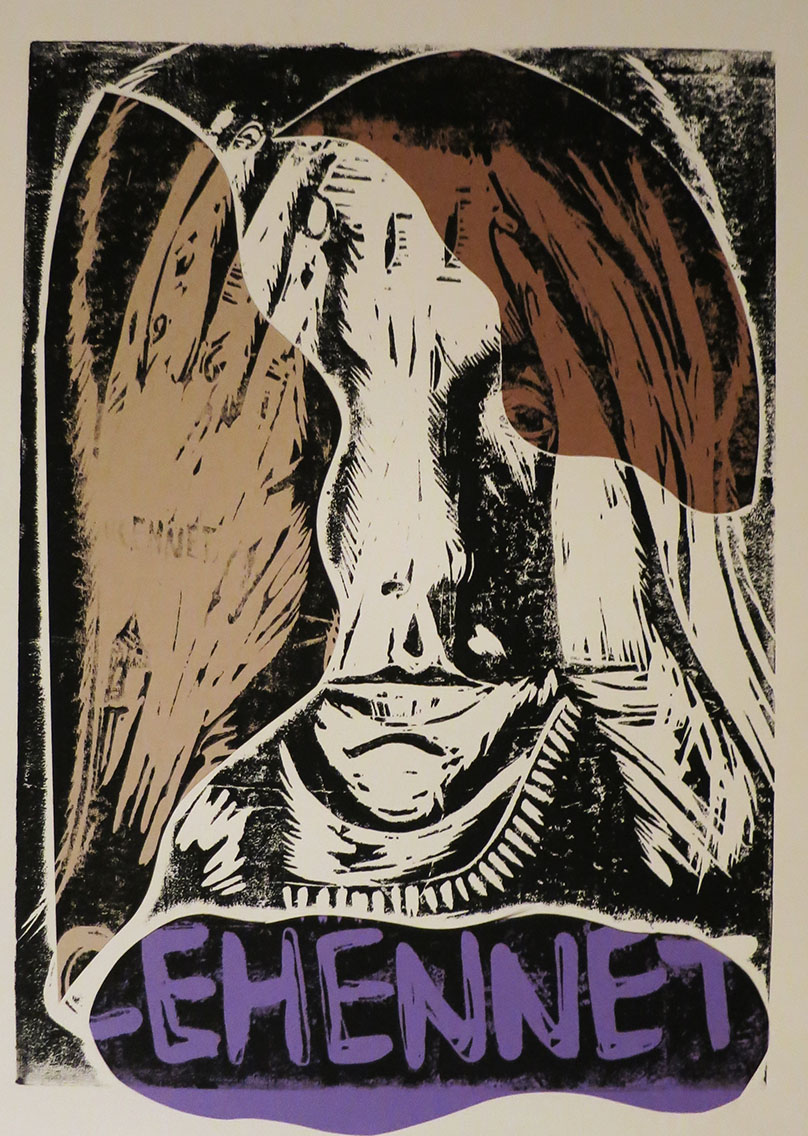
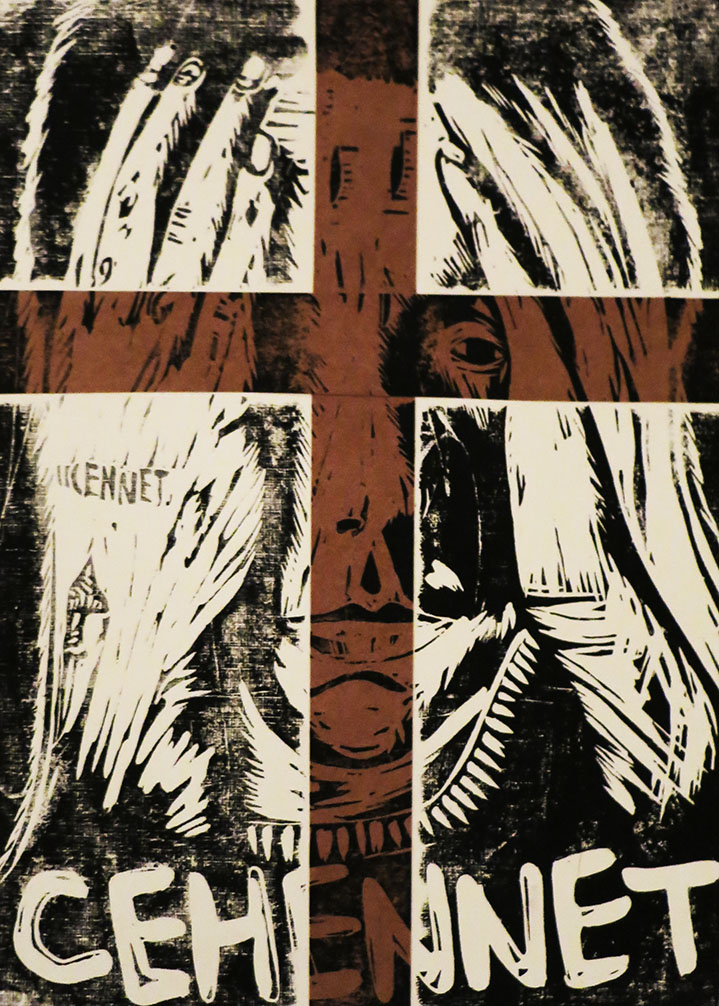
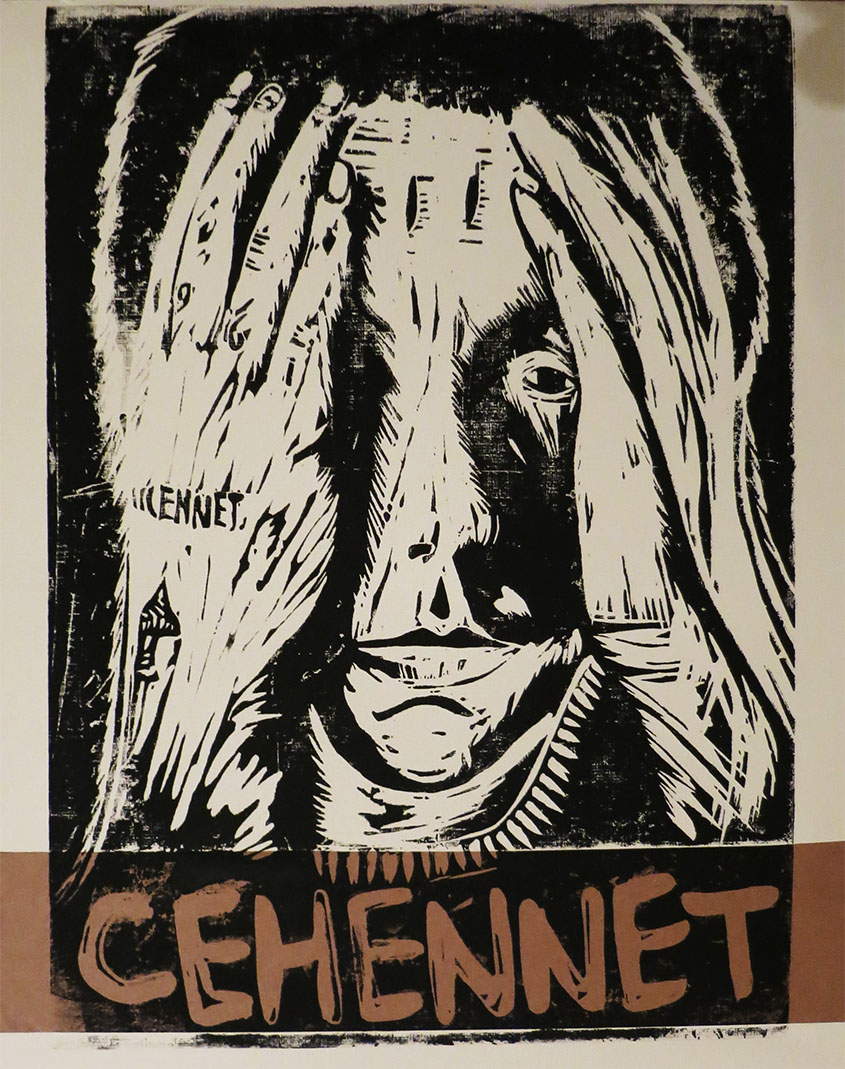
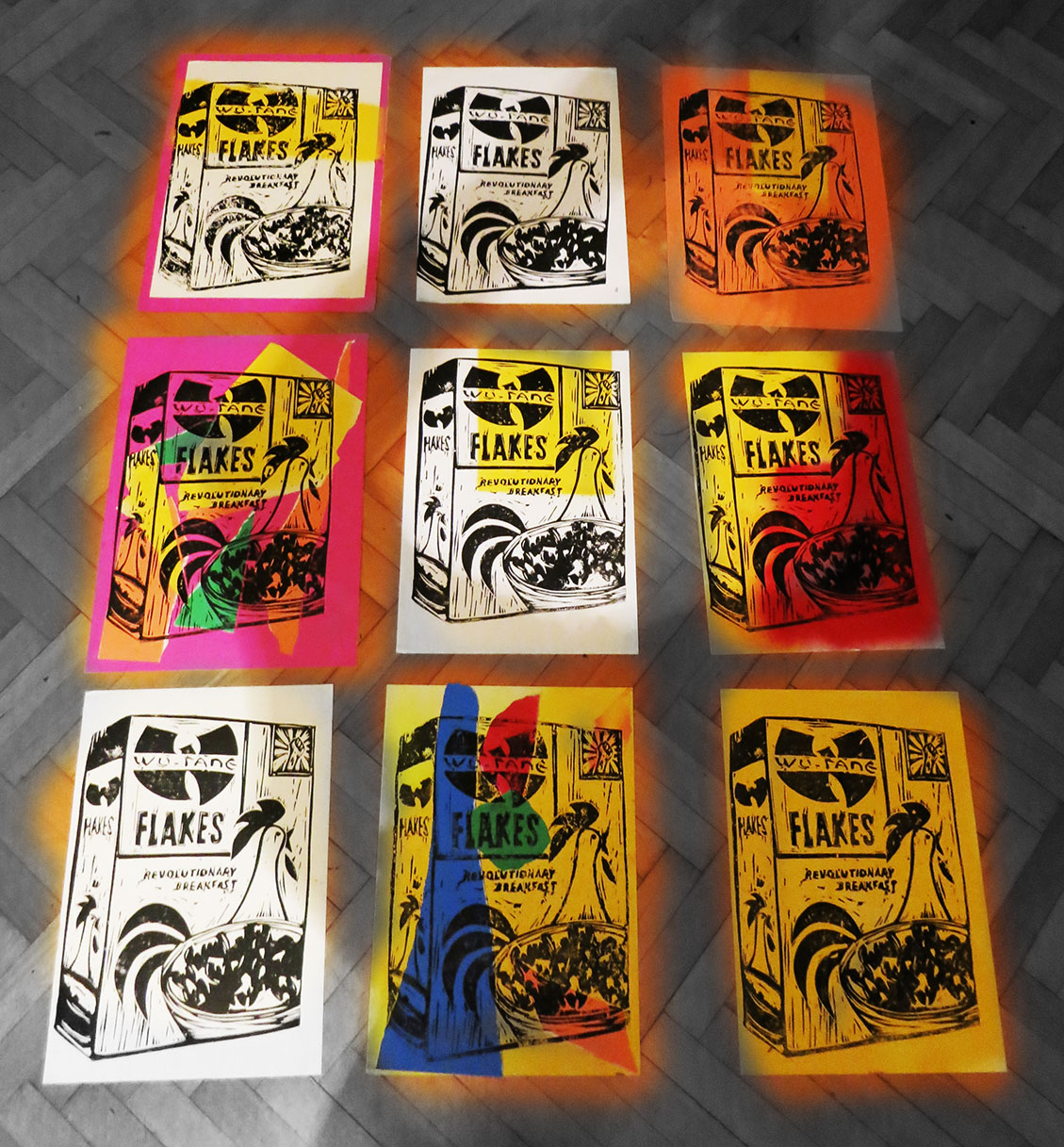
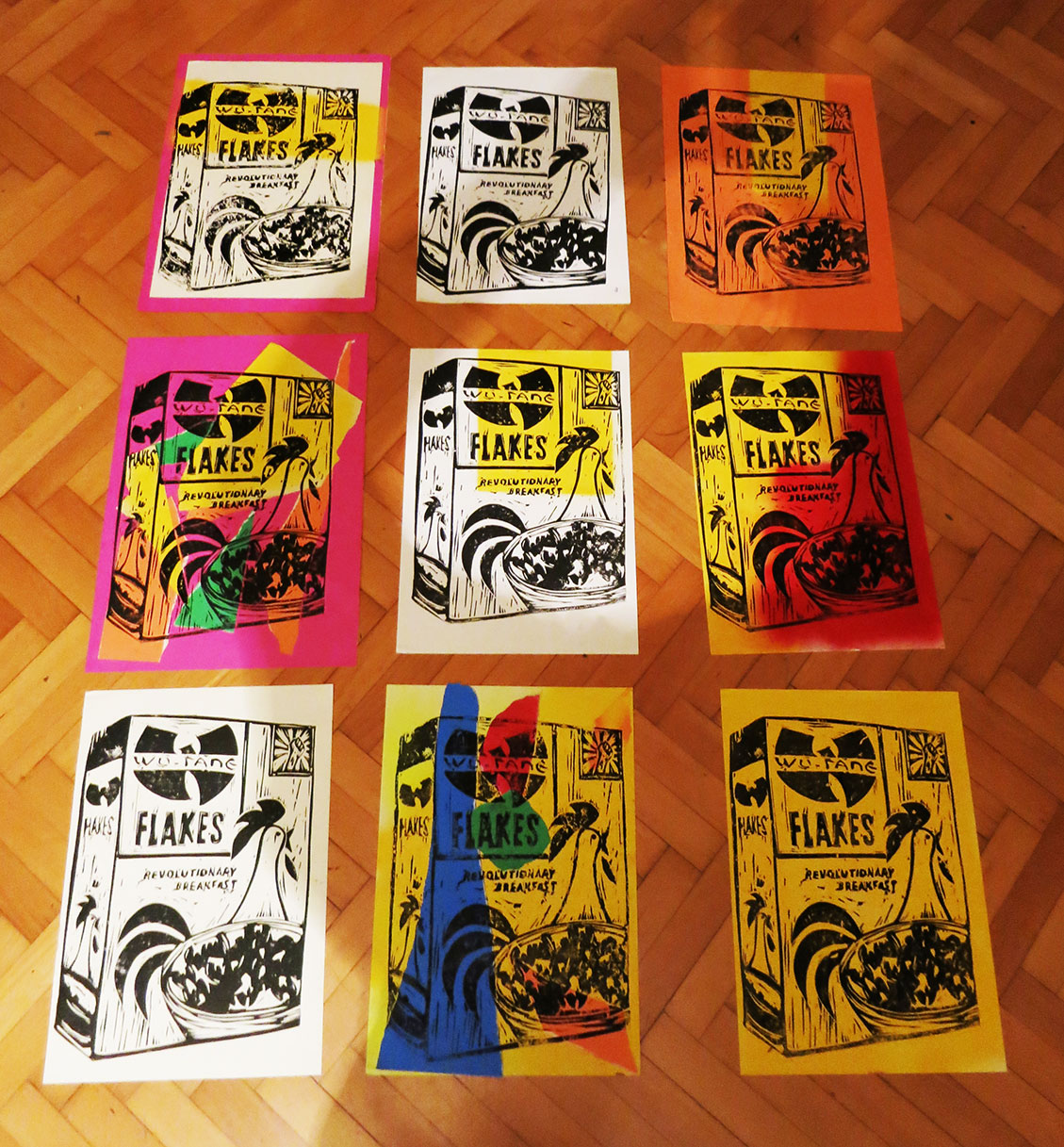
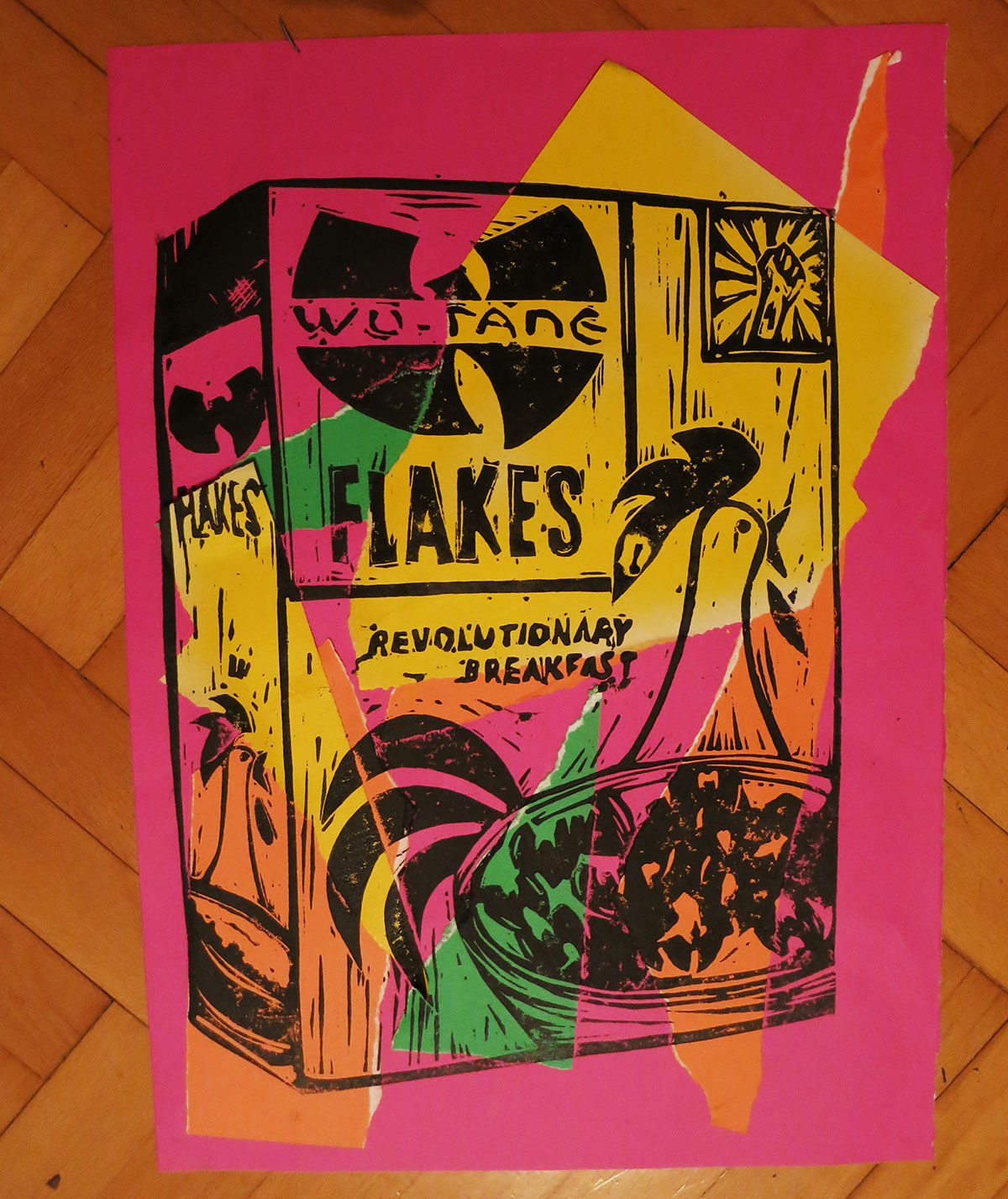
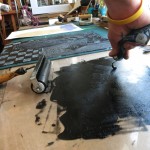
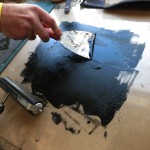
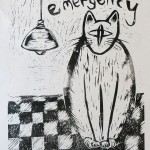
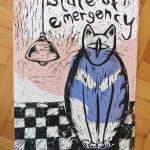
For quite some time I have been keeping a eye out for a gallery that reflects the vision that I have been after all these years in Turkey. They appreciate the craft of printmaking, and at the same time believe that affordable art should be available to the masses. Time to Mix things up:). Prints available at Mixer…
Baskıda olay!…sıcak sıçak taze taze…buyrunuz 


This Japanese professor makes amazing 3D optical illusions by TECH INSIDER.